
How To Manage Your Emotions While Driving
Driving—particularly during long commutes or heavy traffic—can stir up intense emotions. For some, this leads to road rage or anxiety behind the wheel, which increases the risk of a crash. Managing your emotions while driving isn’t just a personal matter; it’s a key part of staying safe on the road.
Numerous stressors can contribute to heightened emotions while on the road. Because of this, it is beneficial to stay informed about managing your emotions while driving, as it is a crucial factor in maintaining safety.
The Importance of Managing Emotions While Driving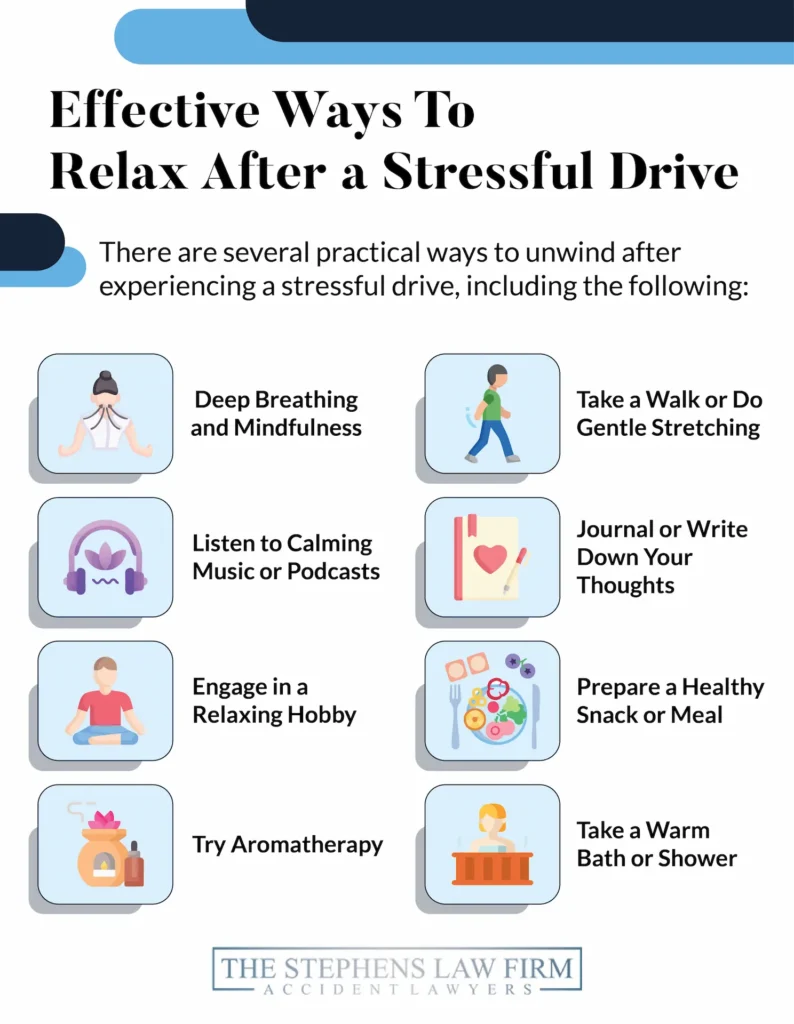
Causes of Stressful Driving in TorontoSteps Torontonians Can Take to Stay Relaxed While Driving
Driving in Toronto can be intense, whether you’re navigating the Gardiner, weaving through downtown traffic, or dealing with endless construction zones. The constant stop‑and‑go pace, noise, and unpredictability can easily activate the nervous system. Taking intentional steps to stay grounded can make a meaningful difference in how you feel behind the wheel.
One helpful practice is to create a calming transition before you start driving. Taking a few slow breaths, relaxing your shoulders, and adjusting your seat so your body feels supported can help your nervous system settle. Even a brief pause before turning on the ignition can shift you out of stress mode and into a more regulated state.
While on the road, giving yourself extra time can reduce the pressure that often fuels driving anxiety. Toronto traffic is rarely predictable, so building in a buffer helps you stay patient rather than reactive. Soft music, comfortable temperature settings, and keeping your phone on “Do Not Disturb” can also reduce sensory overload and help you stay focused.
If you start to feel overwhelmed, it’s okay to take a break. Pulling over safely, stretching your legs, or doing a quick grounding exercise—like noticing five things you can see or feeling your feet on the floor—can reset your system. These small pauses prevent stress from building and help you return to the road with more clarity and calm.
Over time, these simple practices can make driving in a busy city feel less draining and more manageable. Supporting your nervous system while driving isn’t just about comfort—it’s about building resilience and restoring a sense of safety in your daily routines.
Essential Resources for Drivers in Toronto
Driving in Toronto can feel overwhelming, especially with heavy traffic, construction zones, and unpredictable road conditions. Fortunately, there are several helpful resources that can make commuting safer, smoother, and less stressful. Knowing where to turn for reliable information can help drivers feel more prepared and more in control on the road.
Traffic and Road Conditions
Apps and websites like 511 Ontario, Google Maps, and Waze provide real‑time updates on traffic flow, collisions, lane closures, and construction. These tools help drivers plan their routes, avoid delays, and reduce the frustration that often comes with unexpected congestion.
Parking Tools and City Services
Finding parking in Toronto can be one of the biggest stressors for drivers. The Green P Parking app allows users to locate available parking spots, pay digitally, and avoid last‑minute scrambling. The City of Toronto website also offers information on parking regulations, permits, and seasonal restrictions, helping drivers avoid unnecessary tickets.
Weather and Safety Alerts
Ontario’s weather can change quickly, especially in winter. Checking Environment Canada alerts or using weather apps can help drivers prepare for snow, freezing rain, or reduced visibility. Staying informed supports safer driving and reduces anxiety during challenging conditions.
Support for Driving Anxiety
For individuals who experience stress or anxiety behind the wheel, mental health resources can be just as essential as practical tools. Many therapists in Toronto offer support for driving anxiety, trauma‑related responses, and nervous system regulation. Combining emotional support with practical strategies can make driving feel more manageable and empowering.
Driving in Toronto can feel overwhelming, especially with heavy traffic, construction zones, and unpredictable road conditions. Having quick access to reliable services can make commuting safer, smoother, and far less stressful. Below are key resources — including phone numbers — that can support drivers across the city.
Traffic, Road Conditions & Highway Information
• Ontario 511 – Road & Highway Conditions
Provides real‑time updates on traffic, construction, closures, and weather‑related hazards.
Phone: 511
Driver Licensing & Vehicle Services
• Ministry of Transportation – Central Region (Toronto)
Driver licensing, vehicle registration, inspections, and senior driver programs.
Phone: 416‑235‑2999
Toll‑Free: 1‑800‑387‑3445
TTY: 1‑866‑471‑8929
• Driver & Vehicle Licence Issuing Office (Downtown Toronto)
Phone: 416‑362‑3312
City Services & Non‑Emergency Support
• 311 Toronto – City Services & Information
Available 24/7 for non‑emergency city issues (road maintenance, parking questions, bylaw concerns, etc.).
Phone (within Toronto): 311
Phone (outside Toronto): 416‑392‑2489
Parking Services
• Green P Parking / Toronto Parking Authority
For parking inquiries, payment issues, and assistance.
General Inquiries: 416‑393‑7275
Parking Permits & Infractions (City of Toronto): 416‑397‑8247
Traffic Safety & Enforcement
• Toronto Police – Traffic Services
For collision reporting, traffic safety concerns, and enforcement questions.
Phone: 416‑808‑1900
The content comes from the article:
“How To Manage Your Emotions While Driving”
Published by The Stephens Law Firm
Available at: joestephenslaw.com/